
Community Based Social Marketing: Achieving Sustainable Behaviour in Communities with Mark Haubner
Why Social Behaviour Change
Human behavior is the most difficult thing to control, influence or change, but as long as destruction of the planet and disregard for her people and inhabitants is the accepted social norm, we are headed for a bleak future. Social behaviour change is essential if we are to create lasting, sustainable shifts in our daily norms and practices.
What we will cover
Community Based Social Marketing (CBSM) is a method of creating a social behavior change program based on tested techniques used by a wide variety of environmental and social change organizations. It contains basics of human psychology, consideration of social norms and provides program teams with many other tools of engagement, such as motivation, incentives and guidance on the best time to use
each. This workshop builds on the groundwork provided by the Logic model for social change (sometimes referred to as the Results Chain or Theory of Change). By describing specific goals and behavior, students will develop strategies to achieve desired goals and behavior.
CBSM can be applied to vast range of projects in both environmental and social domains such as and as far apart as pollution and domestic violence. It can be used to make people aware to turn off the lights in
the room when they leave, or get them to scrape their food scraps into a bucket on the counter. But it doesn’t stop there. In order to amplify individual behaviors we need to scale up these actions at community, state, national and global levels.
Key benefits
By using proven methods of behavior change, the CBSM program will define desired behavior, barriers and benefits of the change; a strategy for achieving these and creation of a pilot program to test all of one’s assumptions, and feedback received. Using feedback, the team can quickly observe and adjust the program to align with the program’s Mission. By defining the desired behavior change in a subtle manner, the group can diagnose the program’s missing considerations. For example, “Everyone should recycle” is not defined at all: Recycle what: glass, paper, cardboard, electronics, plastic, grass clippings? Every material here will show a different discrete behavior in the recycling loop and cannot be lumped together.
Join Ecoliteracy guide, Mark Haubner to learn how to connect theory with practice while dealing with some of the most difficult challenges of our times.
Eligibility and Pre-requisites
The workshop is designed for people working in the social, environmental and economic spheres. Registration is open to all who are interested in making a positive difference to our humanity and planet. No prior experience is necessary
Costs
This workshop is offered gratis
Facilitator
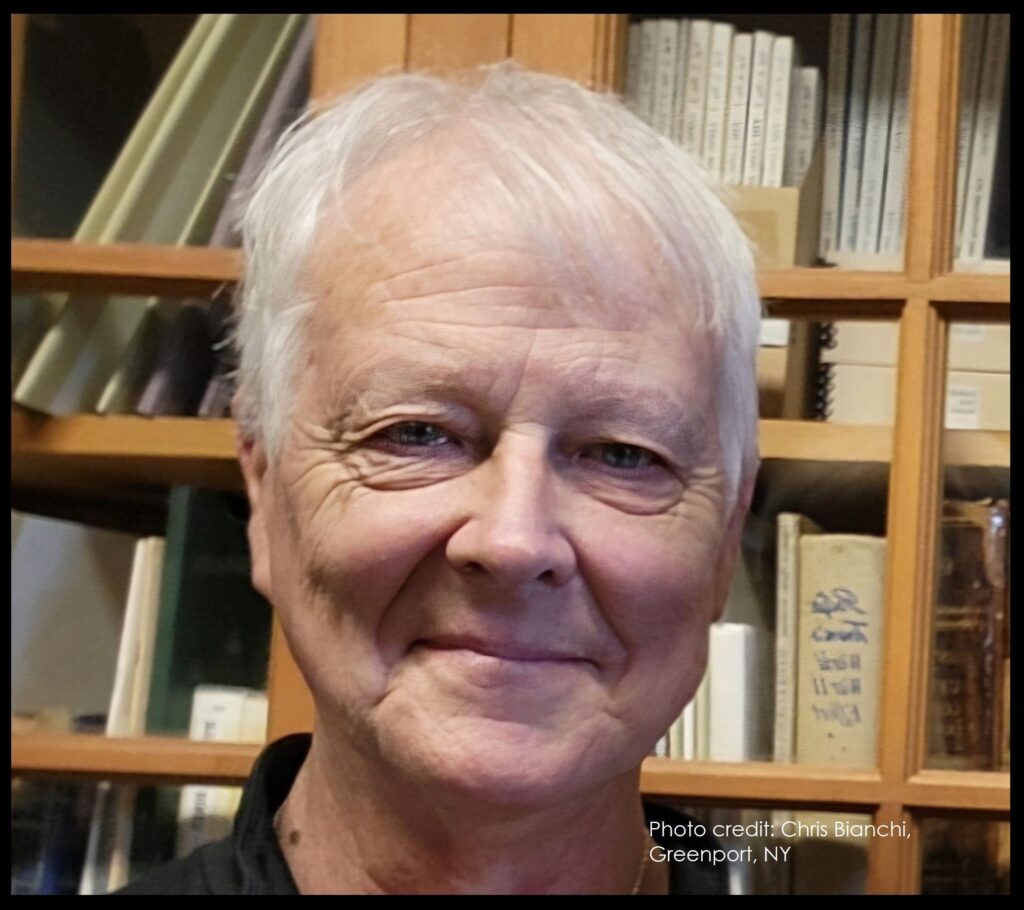
Mark Haubner
Facilitator Profile
Mark Haubner
Facilitator Profile